Tankless Water Heaters: What Homeowners Should Know
Tankless units save space and can cut energy costs. But they are not the right fit for every house. Here is what matters before you buy.
August 16, 2026 · 5 min read
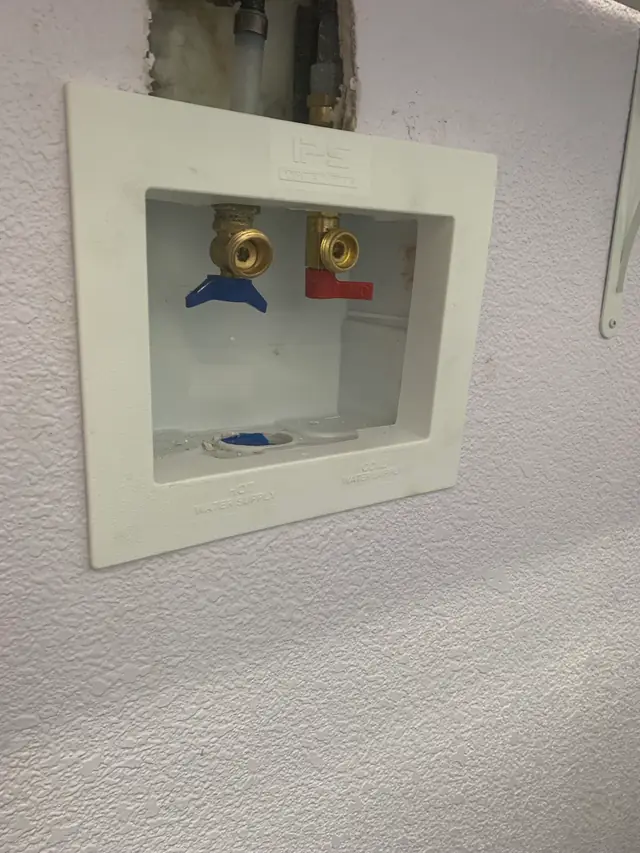
A tankless water heater heats water on demand instead of storing 40 or 50 gallons in a tank around the clock. When you open a hot water faucet, a flow sensor activates the burner (gas) or heating element (electric). Water passes through the heat exchanger and arrives at the fixture hot. When you close the faucet, the unit shuts off. There is no standby energy loss from keeping a tank warm overnight.
Where Tankless Makes Sense
Tankless units shine in homes where hot water demand is spread throughout the day rather than concentrated into a single rush. A couple or small family that uses hot water at different times gets continuous supply without ever running out. The compact size also helps. A tankless unit mounts on a wall and frees up the floor space a 50-gallon tank would occupy.
In The Woodlands, Spring, and Magnolia, the incoming water temperature stays relatively warm year-round (the groundwater in Southeast Texas typically enters the house between 65 and 75 degrees). That means a tankless unit has to raise the temperature by only 45 to 55 degrees to reach a usable 120, which keeps flow rates strong even on smaller units.
Where Tankless Can Struggle
Large households that run multiple hot water fixtures at the same time can overwhelm a single tankless unit. Two showers, a dishwasher, and a washing machine running simultaneously may exceed the flow rate of a residential unit. The fix is either a larger unit or a second unit plumbed in parallel, but both add to the upfront cost.
Tankless units also cost more to install than tank-type heaters. A gas tankless unit typically requires a dedicated venting run and may need a larger gas line. If your home's gas meter or regulator cannot supply the BTU demand, the gas utility may need to upgrade the meter. These are solvable problems, but they add to the project scope and should be identified before purchase, not during installation.
What the Installation Involves
Replacing a tank with a tankless unit is not a direct swap. The plumber needs to:
- Remove the existing tank and cap the connections
- Run new water lines to the wall-mount location
- Install or extend the gas line to meet the unit's BTU requirement
- Run dedicated venting (stainless steel for most gas tankless units) to the exterior
- Install a condensate drain if the unit is a condensing model
- Wire a dedicated electrical circuit for the control board and ignition
One Woodlands Plumbing & Air customer described how technicians Chase and Tyler arrived on time, worked quietly, kept the area clean, and walked the homeowner through the new unit after installation. Another customer noted that senior technician Ray assessed a failing tankless unit, called the factory rep for an overnight part, and gave the homeowner honest choices without pressure. That kind of approach matters, because a tankless install involves gas, water, electrical, and venting all in one job.
Maintenance Is Not Optional
Tankless water heaters need annual descaling. The hard water in parts of The Woodlands and Conroe leaves mineral deposits inside the heat exchanger. Over time, scale buildup reduces efficiency, lowers flow rate, and can trigger error codes that shut the unit down. Descaling involves running a vinegar solution through the unit with a small pump, a process that takes about an hour.
Skipping this maintenance does not void most warranties on its own, but scale damage that results from neglected flushing often falls outside warranty coverage. A yearly flush is inexpensive insurance.
Tank vs. Tankless: Honest Tradeoffs
A standard 50-gallon gas tank water heater costs less to buy and install. It delivers a known volume of hot water and recovers at a predictable rate. It does not care how many fixtures run at once, as long as the tank is not empty. The downside is standby loss and a shorter lifespan (8 to 12 years vs. 15 to 20 for tankless).
Tankless units cost more upfront but last longer, take less space, and eliminate standby energy waste. The right choice depends on your household size, hot water habits, and whether your gas infrastructure can support it. A plumber who does both types and does not push one over the other is the best person to help you decide.
Talk to a Plumber Who Does Both
The Woodlands Plumbing & Air holds Master Plumber licence M-16642 and has 70+ years of combined technician experience. The team installs and services both tank and tankless water heaters and offers free estimates with no pressure to upgrade. Call (281) 715-9593 to schedule a consultation.