August 16, 2026 · 5 min read
Tankless Water Heaters: What The Woodlands Homeowners Should Know Before Switching
Tankless water heaters promise endless hot water and lower bills. Both claims are true, conditionally. Here is what the switch actually looks like for a house in The Woodlands.
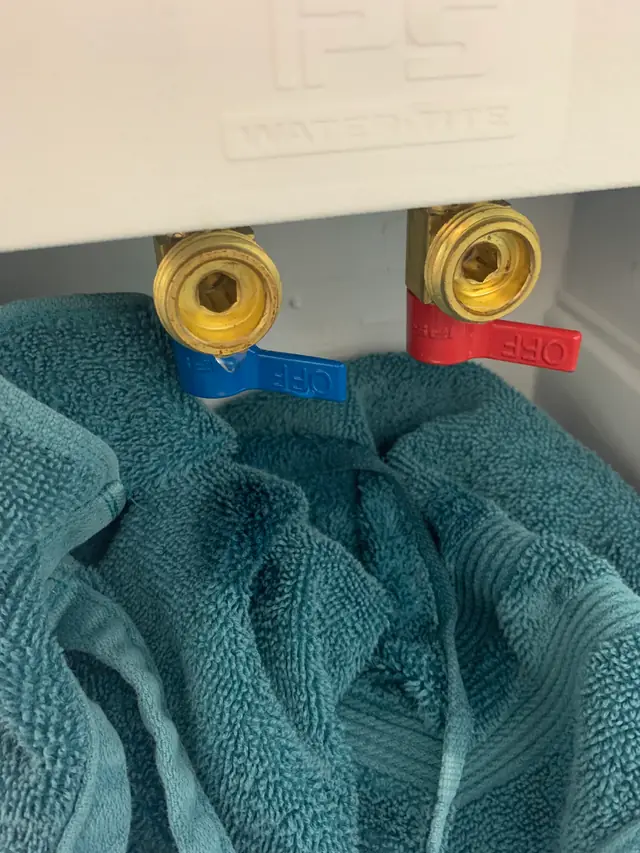
How a Tankless Unit Works
A traditional tank water heater keeps 40 to 80 gallons of water hot around the clock, whether anyone is using it or not. A tankless unit heats water only when a fixture opens. Cold water flows through a heat exchanger, a gas burner or electric element fires, and hot water comes out the other side in two to five seconds. When the fixture closes, the burner shuts off.
That on-demand model eliminates standby heat loss, the energy spent keeping a tank at temperature overnight and during the workday. For a household that uses moderate amounts of hot water, standby loss accounts for a real portion of the gas or electric bill. For a household that uses a lot of hot water (long showers, multiple bathrooms running simultaneously), the savings flatten because the unit is firing most of the time anyway.
The Sizing Conversation
Tankless units are rated by flow rate in gallons per minute (GPM) at a given temperature rise. In The Woodlands, groundwater temperature runs roughly 70 to 75 degrees in summer and 55 to 60 degrees in winter. A shower set to 105 degrees needs a 30- to 50-degree rise depending on the season. That matters because a unit rated at 9 GPM with a 35-degree rise delivers significantly less at a 50-degree rise.
A single bathroom home doing one thing at a time (one shower, or the dishwasher, but not both) can get by with a smaller unit. A house with three bathrooms where morning showers overlap needs a higher-capacity unit or, in some cases, two units. Undersizing a tankless is the most common installation mistake, and it shows up as lukewarm water when multiple fixtures run at once.
What the Switch Involves
Replacing a tank with a tankless unit is not a direct swap. The gas line to a 40-gallon tank heater is typically 1/2-inch. Most tankless units need 3/4-inch gas supply because the burner draws more BTUs during the short period it fires. That means running a new gas line from the manifold, which is plumbing work beyond the water heater itself.
Venting changes too. A standard atmospheric-vent tank uses a metal flue that rises through the roof. A tankless unit uses a sealed, two-pipe vent (one pipe in, one pipe out) that can exit through a sidewall. The old flue has to be properly capped and sealed when it is abandoned. Electric tankless units skip the gas and venting but require a dedicated high-amperage circuit, often 150 amps or more for a whole-house unit, which means the electrical panel has to have room.
Maintenance Is Not Optional
Texas water is hard, and The Woodlands is no exception. Mineral buildup inside the heat exchanger reduces efficiency and, if left long enough, cracks the exchanger. Flushing the unit with a descaling solution once a year is the standard recommendation. The procedure takes about an hour: a small pump circulates vinegar or a commercial descaler through the exchanger in a loop. Some homeowners do it themselves with a flush kit. Others have it done as part of a plumbing maintenance visit.
Skipping the flush does not produce an immediate failure. It produces a slow decline in output temperature and flow rate over two to four years, ending with a heat exchanger that has to be replaced. The exchanger is the most expensive component in the unit.
When Tankless Makes Sense (and When It Does Not)
A tankless unit makes the most sense for households with moderate, staggered hot water use and enough space for the gas line and venting work. The upfront cost is higher than a tank replacement, but the unit lasts roughly 20 years compared to 8 to 12 for a tank, and the monthly energy savings are real.
It makes less sense for a large household that runs four fixtures simultaneously (the cost of a unit big enough to handle that load narrows the payback window considerably) or for a homeowner planning to sell within two to three years (the energy savings will not offset the install cost in that timeframe).
Getting a Straight Answer
One of the more telling reviews of The Woodlands Plumbing and Air describes exactly this situation: a tankless unit failed, the senior technician assessed the repair honestly, explained what had failed and how, called the factory rep for the replacement part, and when the homeowner chose to replace the whole unit instead, the crew was on time the next morning and finished clean. No pressure to buy, no inflated quote, reasonable choices laid out plainly.
The Woodlands Plumbing and Air holds Texas master plumber licence M-16642 and has served The Woodlands, Spring, Conroe, and Magnolia for years. If you are weighing the switch or need service on an existing tankless unit, call 281-715-9593.